

Providing care to a sick family member of all ages or baby care or care for disabled patients at home has, without much public acknowledgment, been one of those things that people nowadays discuss in their households like nothing has changed. Suddenly, the life that seemed to be going as usual is interrupted by the need for some care, some patience, or even some help from a trained professional in the family. With such a situation, IEMS Institute for Emergency Medical Sciences is the answer that comes with a friendly greeting and an efficient means of bringing safety and order back to the home with their patient care at home. And honestly, that sense of relief matters more than any fancy gadget or complicated medical term.
The Comfort & care at Home for all ages
There is something oddly magical about healing in a familiar place. The sunlight slants through the same window, the favorite cup stays in the same cabinet, and the neighbors still wave like always. Hospital life is all clinical and sterile and lacks the flow that a home has. However, providing care to a loved one in your home may turn out to be more difficult than people_estim anticipated. The juggling of medications, the patient’s changing requirements for mobility, the emotional episodes, and the occasional mixed up in a forgotten routine, is enough to make one’s head spin.
IEMS has a solution to this problem. Their caregivers are well-trained and comprehend that patients do not only require medical assistance; they also need comfort, laughter, and sometimes a soft push to be kept on track.
A More Human Approach to Care
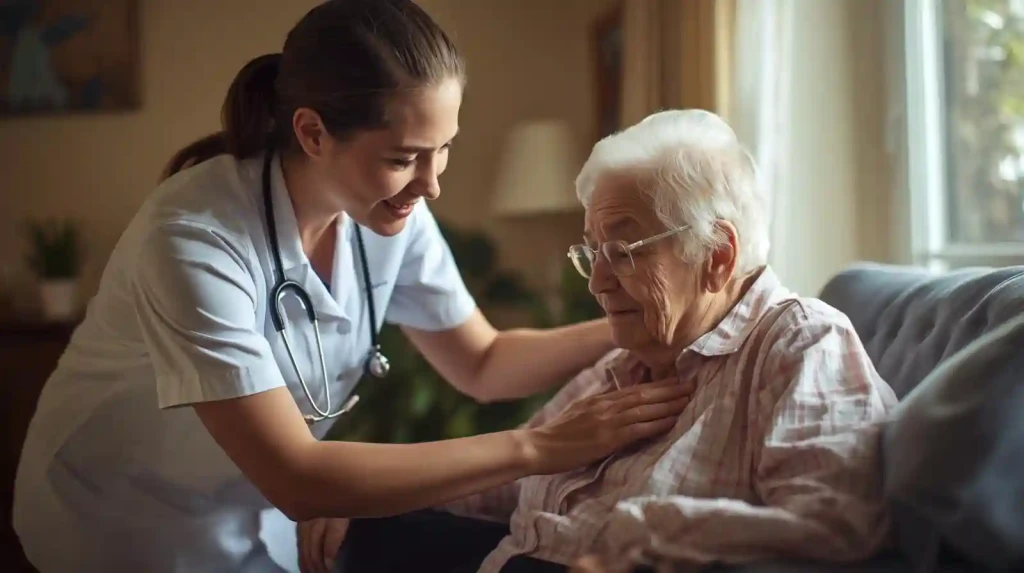
Trust is the main element for Patient Care at home. It is not the formal one that is usually found in rule books but the common trust that develops when a caregiver listens attentively, remembers the small details, and changes his behavior according to the patient’s mood. Perhaps, on one day, the patient will be full of energy, and on the next day, he will be very low-spirited and everything must be done at a slow pace. Home care is the most efficient when the patients see it as being unforced and not strict. Professionals from IEMS know how to roll with these changes just like a good friend who knows when to talk and when to give space.
Support Beyond Medical Stuff
Sure, medical assistance is important. But healing is not only about pills, injections, or monitoring machines. A patient might need help getting out of bed, preparing meals that feel comforting, or simply having someone nearby during a rough patch. Home care often blends practical tasks with emotional companionship. Some days involve helping with simple things like brushing hair or adjusting pillows, while other days involve guiding physical therapy exercises with a steady tone of encouragement. It is this mix of everyday life and professional skill that makes home care feel genuine rather than clinical.
The Little Things Matter
Anyone who has ever taken care of a recovering loved one knows how tiny details can steer the whole day. Maybe the patient prefers eating breakfast before taking medicine because it sits easier on the stomach. Maybe the afternoon sunlight helps lift the mood. Maybe a short walk around the living room actually boosts energy far more than expected. Good home care recognizes these small patterns and respects them. Caregivers from IEMS pay attention to these human touches because healing does not always follow textbook rules.
When Patient care at home Gets Emotional
Let us be honest. Patient care at home can tug on emotions like nothing else. Some days are filled with gratitude and small victories. Other days feel heavy, frustrating, or even lonely. Families sometimes feel stretched thin trying to balance everyday responsibilities while supporting someone they love. That is where professional support becomes more than a service. It becomes a buffer that eases the emotional load. A trained caregiver can calmly handle tasks that might overwhelm family members and offer steady encouragement when patience starts wearing thin.
Safety Without the Stress
One major worry that families share is safety. Falls, medication mix ups, infections, or sudden symptoms can turn a quiet day into panic mode. Through proper training and real world experience, IEMS professionals stay alert to warning signs and know what to do before small concerns become big issues. They also teach families little habits that help keep things safe, like organizing medicine in simple ways or guiding patients through movements that reduce strain. And when emergencies happen, caregivers react with practiced calm instead of frantic guessing.
Technology that Helps but Does Not Take Over
Yes, technology plays a role in home care. But real healing happens in human interactions. IEMS uses tools like remote check ins, digital reminders, and monitoring equipment only when they actually help reduce stress. No one needs their living room turning into a mini hospital with blinking lights and confusing gadgets. The trick is balancing tech with touch, and that is something IEMS has figured out through experience and a bit of common sense.
A Day in the Life of Home Care
Picture a typical morning. A caregiver arrives with a friendly hello, checks how the night went, helps the patient freshen up, maybe shares a laugh about something on the morning news. Medication is given without fuss. A light breakfast is prepared. There might be some gentle stretching or breathing exercises. Later, the caregiver updates the family, tidies up a bit, and encourages the patient to rest or engage in something enjoyable. It is simple but steady, not rushed, not cold. And over time, this rhythm builds comfort and confidence.
Why Families Appreciate This Support?
People living close to the sick often mention that receiving care at home helps them to regain their identities. They say that, instead of always doing the nurse’s or the helper’s roles, they become husbands, wives, children, brothers, sisters, or friends. Just that change can develop the relationships and lower the tension. Sick people, on the other hand, can also sense more dignity if they are with individuals who, instead of seeing their home as a place to work, treat it as their own refuge.
IEMS is aware of this and therefore, they come with delicacy and a silent recognition of the way each family operates into every home that they visit.
Final Thoughts
Patient care at home is more than just a service. It is a necessity that implants the elements of comfort, tranquillity, and humaneness again into the procedure of restoration.
Along with the helping hands and comforting hearts from IEMS Institute for Emergency Medical Sciences, relatives become cheerful in the ordinary moments and patients realize that getting better is more pleasant when they are with the people they know in the place they are used to.
It is not flawless and it does not have to be. It only has to be authentic, secure, and consist of unfeigned love, and that is precisely what home care is capable of.